Some foods survive because they are fashionable. Sandwiches survive because they are useful, comforting, and easy to carry through a busy neighborhood.
If you walk through Omaha’s Old Market, the setting tells part of the story before lunch even arrives. The district is still known for its brick streets, preserved warehouse buildings, and mix of restaurants, bars, and shops, a character described both by Visit Omaha and the National Park Service’s Old Market Historic District page. That kind of neighborhood naturally rewards food that is satisfying without being fussy. Sandwiches fit the space almost too well.
Readers usually come to this topic with a few practical questions. Why do sandwiches feel so at home in the Old Market? What would an early lunch in the district have looked like? How did the area move from simple meat-and-bread standards toward today’s broader menu of deli classics, pub sandwiches, and produce-forward options? Those are fair questions. History is easier to follow when you know what to expect next.
This article takes the steady route. It starts with the district itself, then looks at the kinds of early sandwich meals that made sense in a working commercial neighborhood, the way sandwich styles broadened over time, and the trends that shape the Old Market table now. If you want more current sandwich ideas after this, the site’s guide to the top sandwiches in the Old Market and the piece on local ingredients in Omaha’s sandwiches make a good next step.
The Old Market Gave Sandwiches The Right Kind Of Stage
The Old Market did not begin as a dining district. As local history summaries from the Old Market overview and the National Park Service explain, the area grew from Omaha’s wholesale and warehouse economy in the late nineteenth and early twentieth centuries. That matters because working districts shape their food around pace. People moving inventory, running storefronts, or walking between commercial buildings do not usually want an elaborate meal with a long setup and a longer cleanup.
A sandwich answers that need neatly. It is portable, filling, scalable, and forgiving. Bread protects the filling, hands do most of the work, and a kitchen can serve many versions without rebuilding the whole menu every time tastes shift. In a district made for commerce first and leisure second, that flexibility would have been an advantage from the beginning.
In other words, the Old Market and the sandwich share a useful trait: both are built around practical structure. One organizes buildings and movement. The other organizes lunch.
What Early Sandwich Eating In The District Likely Looked Like
There is a difference between claiming a perfect menu record and understanding a historical pattern. The Old Market’s earliest food culture was shaped by taverns, lunch counters, hotel dining rooms, bakeries, and compact commercial kitchens that served workers, shoppers, and travelers. In settings like that, sandwiches tend to emerge not as luxury items but as reliable standards.
The broader history of the sandwich helps here. General references on the history of the sandwich as a food category show how flexible the form became in American dining over time, especially once restaurants, rail travel, clubs, lunch rooms, and convenience-minded city eating helped normalize bread-and-filling meals as everyday fare. Omaha’s commercial core would have been part of that larger rhythm rather than an exception to it.
So what likely showed up first? Not the towering, overdesigned sandwich with twelve ingredients and a personality disorder. More likely, the early district favored practical builds:
- Ham, beef, or turkey on sturdy bread that could travel from counter to customer without collapsing.
- Simple hot sandwiches served in tavern or pub settings, where gravy, melted cheese, or pan-toasted bread added comfort without adding ceremony.
- Cold lunch sandwiches that suited shoppers, office workers, and anyone who needed a meal between errands rather than an event.
- Daily specials shaped by what a kitchen already had on hand, which is often how the most dependable sandwiches begin.
That may sound modest, but modest food often lasts longer than trendy food. A district does not build a sandwich culture by accident. It builds one by serving versions people can afford, finish, and want again the next week.
How The Style Changed Over Time
Once the Old Market shifted from a primarily commercial warehouse area toward a destination for dining, shopping, and nightlife, the sandwich had room to change with it. A neighborhood that welcomes visitors, evening traffic, and repeat local customers can support more than one lunch pattern. That is usually where a sandwich scene becomes more expressive.
| Era | What Changed In The District | What Happened To Sandwiches |
|---|---|---|
| Warehouse and wholesale years | Speed, practicality, and working-day meals mattered most. | Sandwiches leaned simple, filling, and easy to serve quickly. |
| Historic preservation and revival | Buildings were repurposed and the district became more visitor-facing. | Menus widened to include deli-style options, pub sandwiches, and house specials. |
| Modern dining mix | Restaurants now serve locals, tourists, event crowds, and casual diners at once. | Sandwiches range from classic comfort food to ingredient-driven seasonal builds. |
Three changes stand out in that evolution.
1. Bread stopped being just a container
In an early, utility-first meal, bread mostly had to hold together. In a more mature food scene, bread starts carrying identity. Rye, ciabatta, seeded rolls, brioche, sourdough, and pressed formats all change the tone of the sandwich before the first bite lands. The Old Market’s broader dining culture gave restaurants room to care about that difference.
2. Fillings became more regional and more varied
Omaha has long had a natural relationship with beef, but the district’s sandwich range now stretches further: turkey, smoked meats, stacked deli builds, vegetarian combinations, brighter produce, and pub-style comfort sandwiches. That variety matters because it reflects the neighborhood’s audience. A district serving both lunch and nightlife cannot live on one formula forever.
3. The sandwich moved from necessity to choice
At first, a sandwich in a commercial district is often the efficient answer. Later, it becomes a chosen experience. People order one because they want the roast beef on rye, the crisp vegetable stack, the club with a side of fries, or the pub sandwich that behaves like dinner wearing casual clothes. That shift sounds small, but it changes everything about menu development.
Why Pub Culture Matters In This Story
The Old Market is not only a shopping district. It is also a place where people gather, watch events, and settle in for food that can stretch from midday into evening. That matters because pubs and bar-forward restaurants are particularly good at keeping sandwiches alive across decades. Sandwiches match that environment well: they pair easily with soups, fries, pickles, beer, and game-day habits, and they can be dressed up or simplified depending on the crowd.
This is part of the cultural significance readers sometimes miss. Sandwiches in a neighborhood like this are not only about ingredients. They are about social rhythm. A sandwich is quick enough for lunch, familiar enough for groups, and flexible enough for kitchens that need to serve people who are in very different moods at the same table. Someone wants a classic club. Someone else wants a brisket melt. Another person wants something lighter. One menu format can absorb all of that without complaint.
That kind of adaptability is not glamorous, but it is one reason sandwiches last. Reliable food has its own dignity.
Current Trends In Old Market Sandwiches
Today’s sandwich habits in and around the Old Market tend to reflect a few broader shifts in how people eat.
Seasonal produce matters more
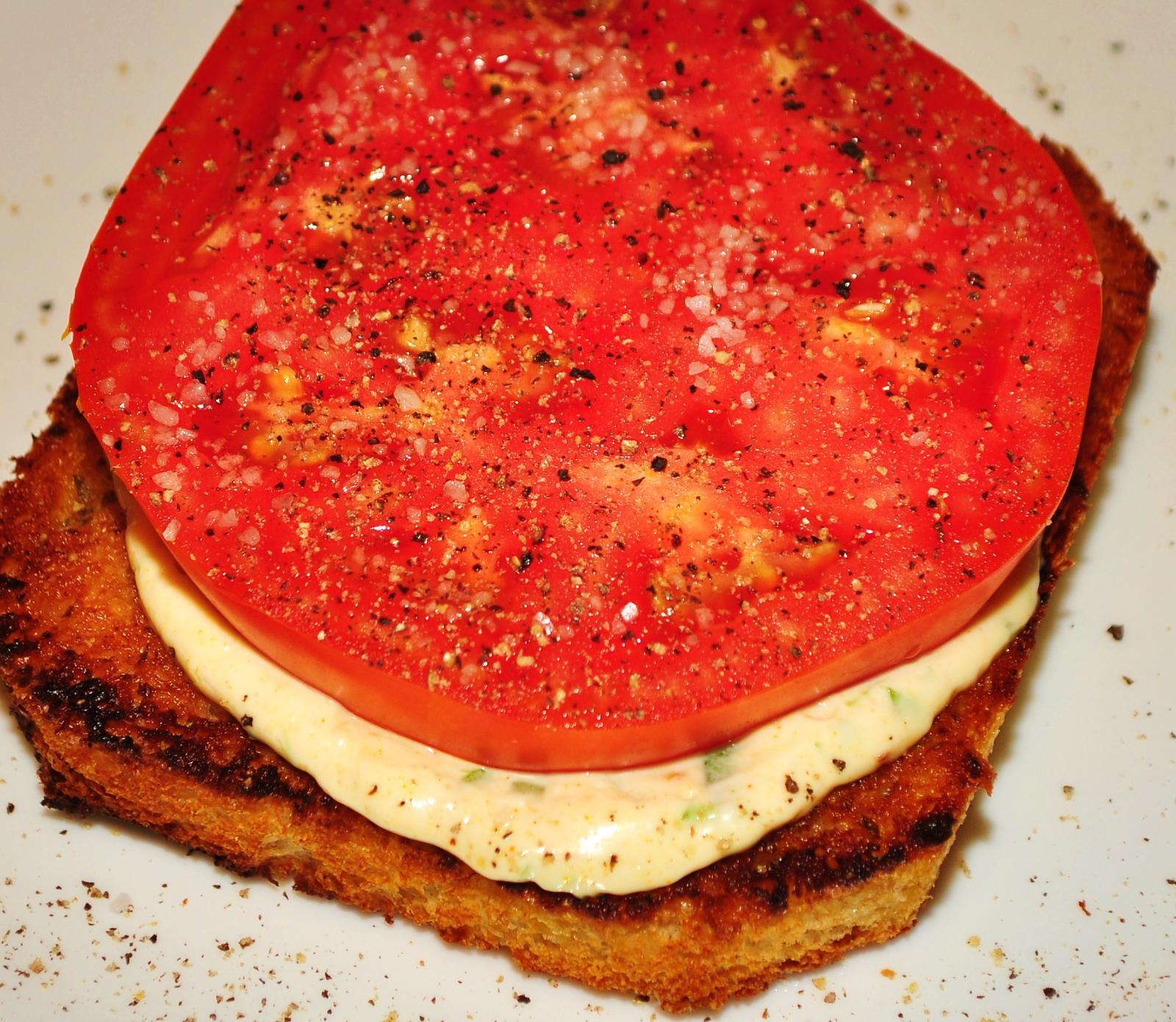
Fresh greens, ripe tomatoes, herbs, pickled vegetables, and brighter sauces now do more visible work than they used to. That does not erase the comfort-food side of the district. It just means a heavy sandwich no longer gets a free pass for being heavy. If the produce is weak, people notice. If you want a closer look at that side of the story, the article on local ingredients in Omaha’s sandwiches follows the supply angle in more detail.
Vegetarian and lighter builds have real standing
Modern sandwich culture is wider than meat plus cheese plus obligation. Vegetable-forward sandwiches, grilled mushroom combinations, caprese builds, and hummus-based options now feel normal rather than like backup plans. That broadening matters in mixed dining districts where one group may contain five appetites and six opinions.
Classic comfort still wins, but it wins differently
Roast beef, turkey clubs, melts, Reuben-style builds, and pub sandwiches still feel right in this part of Omaha. The difference is that many diners now expect a little more care: better bread, sharper sauces, cleaner layering, and fewer sad filler ingredients. Comfort remains the point. Care is the upgrade.
The neighborhood itself is part of the appeal
A sandwich eaten in a historic district does not taste good only because of the recipe. The setting matters. Brick streets, old facades, walkable blocks, and the easy pattern of browsing, stopping, eating, and moving again all support the meal. The Old Market gives sandwiches an atmosphere that chain-strip convenience cannot reproduce.
What This History Really Tells Us
The history of sandwiches in Omaha’s Old Market is not a story of one signature recipe conquering the district. It is a story of fit. A historic commercial neighborhood needed food that was practical. As that neighborhood evolved into a place for dining and gathering, the same food form had enough range to evolve with it. That is why sandwiches never look outdated for long. They adjust.
And that may be the most useful way to read the Old Market itself. Good districts survive by adapting without losing their frame. Good sandwiches do the same thing. The bread changes. The fillings change. The expectations change. The structure keeps working.
If you are planning your own lunch route, start with the site’s home page for a quick sense of the neighborhood theme, visit the about page for more context on what this site covers, and use the contact page if you want to share a favorite Old Market sandwich that deserves a closer look.