The interesting thing about Omaha’s sandwiches is not that they are loud. It is that they are disciplined enough to make flavor feel deliberate.
If you spend any time around the Old Market or look through the wider Omaha dining scene, the pattern becomes clear: the best sandwiches are rarely built on novelty alone. They rely on structure, contrast, and a few ingredients that know their job. The Old Market dining directory and Visit Omaha’s restaurant listings show a neighborhood and a city with enough lunch options to make comparison useful, not theoretical.
This article is for the reader who wants a cleaner answer than “it depends.” The better question is which flavors Omaha sandwiches keep returning to, why those combinations work, and what they say about the city. If you want the broader site context first, the homepage is the fastest place to start, and the about page explains how this site approaches local sandwich coverage.
By the end, you should have a practical read on Omaha sandwich flavor profiles, the ingredients that keep showing up, and the kinds of sandwiches that best represent the local style. This is not a ranking contest. It is a map of flavor logic. Sandwiches, after all, are small architectural problems disguised as lunch.
Introduction to Flavor Profiles
The simplest way to describe Omaha sandwich flavor is this: the city tends to reward balance over flash. That does not mean the sandwiches are plain. It means the useful question is not “how many ingredients are there?” but “how well do the ingredients work together?” A good Omaha sandwich often lands in the same territory as a well-run kitchen line: the parts are clear, the handoffs are clean, and nobody is trying to solve a structural issue with extra mayonnaise.
There are four flavor moves that matter most here. First is salt, usually from cured meats, bacon, cheese, or pickled elements. Second is acid, which shows up in mustard, pickles, sauerkraut, tomatoes, or tangy dressings. Third is fat, usually from beef, cheese, aioli, or a generous dressing. Fourth is texture, which is where toasted bread, crisp vegetables, and sturdy rolls keep the whole thing from becoming one soft note. Omaha’s best sandwiches usually hit at least three of those four without needing a grand announcement.
The result is not subtle food. It is structured food. That distinction matters. A sandwich can be rich without being heavy, sharp without being sour, and familiar without being forgettable. Omaha’s sandwich culture works best when it understands that difference and stops before the point where “more” becomes “mess.”
| Flavor Axis | What It Does | Common Omaha Expression |
|---|---|---|
| Salt | Builds depth and makes the sandwich taste substantial. | Corning, smoking, bacon, Swiss cheese, seasoned bread. |
| Acid | Prevents rich fillings from feeling flat. | Sauerkraut, pickles, mustard, tomato, vinaigrette. |
| Fat | Rounds out the flavor and carries aroma. | Roast beef, aioli, buttered bread, melted cheese. |
| Texture | Keeps the sandwich interesting bite to bite. | Toasted rye, hoagie rolls, crusty bread, crisp lettuce. |
That flavor map explains why the city’s sandwich scene can feel so specific even when the menu names are familiar. Omaha is not inventing a new grammar every lunch hour. It is using a familiar one with local emphasis. That emphasis shows up most clearly in rye-based builds, deli classics, pub sandwiches, and anything that uses acidity to keep richness in check.
Signature Ingredients in Omaha Sandwiches
Local sandwich flavor usually comes down to a small set of ingredients that do more than one job at a time. Some provide weight. Some cut through richness. Some add freshness. The useful test is whether each ingredient earns its place. Below are the ingredients that most often define the city’s better sandwiches.
| Ingredient | Flavor Role | Why It Matters |
|---|---|---|
| Rye bread | Earthy, assertive, and sturdy. | It holds rich fillings and gives deli-style sandwiches a clear identity. |
| Corned beef or pastrami | Deeply savory and slightly spiced. | These meats bring the kind of density that supports strong acid and cheese. |
| Roast beef | Clean, rich, and flexible. | It works with horseradish, mustard, melted cheese, or vegetables without fighting them. |
| Sauerkraut and pickles | Sharp, bright, and bracing. | They keep heavy sandwiches from collapsing into one note. |
| Swiss, provolone, and havarti | Melty, mild, and structurally useful. | These cheeses glue richer fillings together without overpowering them. |
| Horseradish, mustard, aioli, and dressings | Sharpness and lift. | These sauces define the finish and give the sandwich a local fingerprint. |
| Tomatoes, greens, and onions | Freshness and contrast. | When handled well, they keep the sandwich from tasting closed-in or flat. |
| Bacon or smoked elements | Smoke, salt, and a little swagger. | They add intensity without needing a complete recipe rewrite. |
If there is one sandwich that captures this logic cleanly, it is the Reuben sandwich. The Reuben is a useful benchmark because it depends on all the important variables at once: salty meat, tangy kraut, creamy dressing, cheese, and rye. Omaha food culture has long been associated with that kind of balance, and whether you approach the subject as history or as lunch, the sandwich remains a strong example of how the city likes flavor to behave.
Notice what the best ingredients are not doing. They are not competing for attention. They are building a sequence. The bread gives the meat a stage, the pickled elements give the fat a counterweight, and the sauce keeps the whole thing from feeling too dry or too stern. A good Omaha sandwich is not timid, but it is rarely chaotic.
Featured Sandwich Examples
Examples matter here because flavor profiles make more sense when they are attached to real sandwiches. These are not theoretical combinations. They are the kinds of builds that show how Omaha’s sandwich scene thinks about taste.
1. The Reuben: salt, acid, and structure
The Reuben remains the clearest expression of Omaha’s sandwich instincts because every bite has to justify itself. The corned beef brings weight, the sauerkraut brings a clean edge, the Swiss cheese softens the transition, and the dressing gives the sandwich a round finish. Rye bread keeps the whole thing organized.
What makes the Reuben especially useful as a flavor example is that it rewards restraint. Too much dressing and it gets soggy. Too little kraut and it loses its lift. Too thin a slice of meat and it starts feeling like a memory instead of a meal. The best versions understand the ratio. That is what local sandwich culture tends to value: proportion, not spectacle.
2. The club sandwich: layered but still legible
The club sandwich is almost a case study in texture management. Toasted bread, turkey or chicken, bacon, lettuce, tomato, and mayonnaise create a stack that can go wrong quickly if any one layer is weak. Omaha versions often lean into crisp toast and generous filling, which is the right instinct. A club should feel like a deliberate tower, not a structural warning.
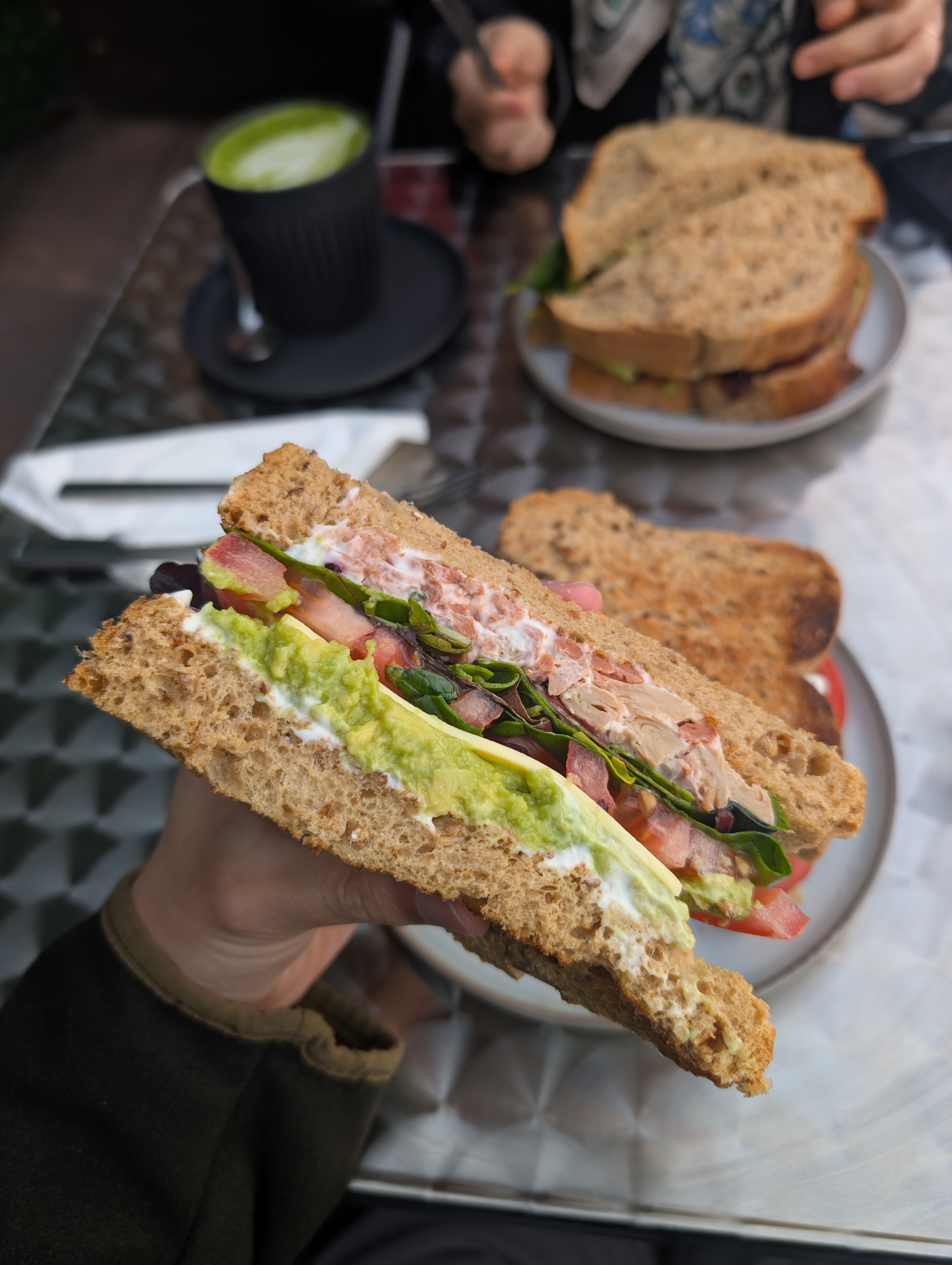
The flavor advantage of the club is contrast. Bacon brings salt, tomato brings freshness, lettuce brings crunch, and the toasted bread keeps the moisture from spreading too fast. It is a practical sandwich, which is another way of saying it respects your time. If you want a sandwich that proves flavor does not need to be complicated to be complete, the club is a fair test.
3. Roast beef on rye: the cleanest expression of umami
Roast beef sandwiches are often the most underestimated in a city like Omaha because they do not rely on a gimmick. That is precisely why they work. Good roast beef has enough depth to stand on its own, and rye or another sturdy bread gives it enough frame to stay coherent. Add horseradish, mustard, or Swiss cheese, and the sandwich gains immediate definition.
This is one of the better places to see Omaha’s taste for savory, no-nonsense flavor. The sandwich does not need a long pitch. It needs competent execution. If the beef is dry, the bread is flimsy, or the sauce is timid, the whole thing loses authority. If those basics are right, you get a sandwich with real presence and very little waste.
4. Tomato-forward sandwiches: freshness as a flavor decision
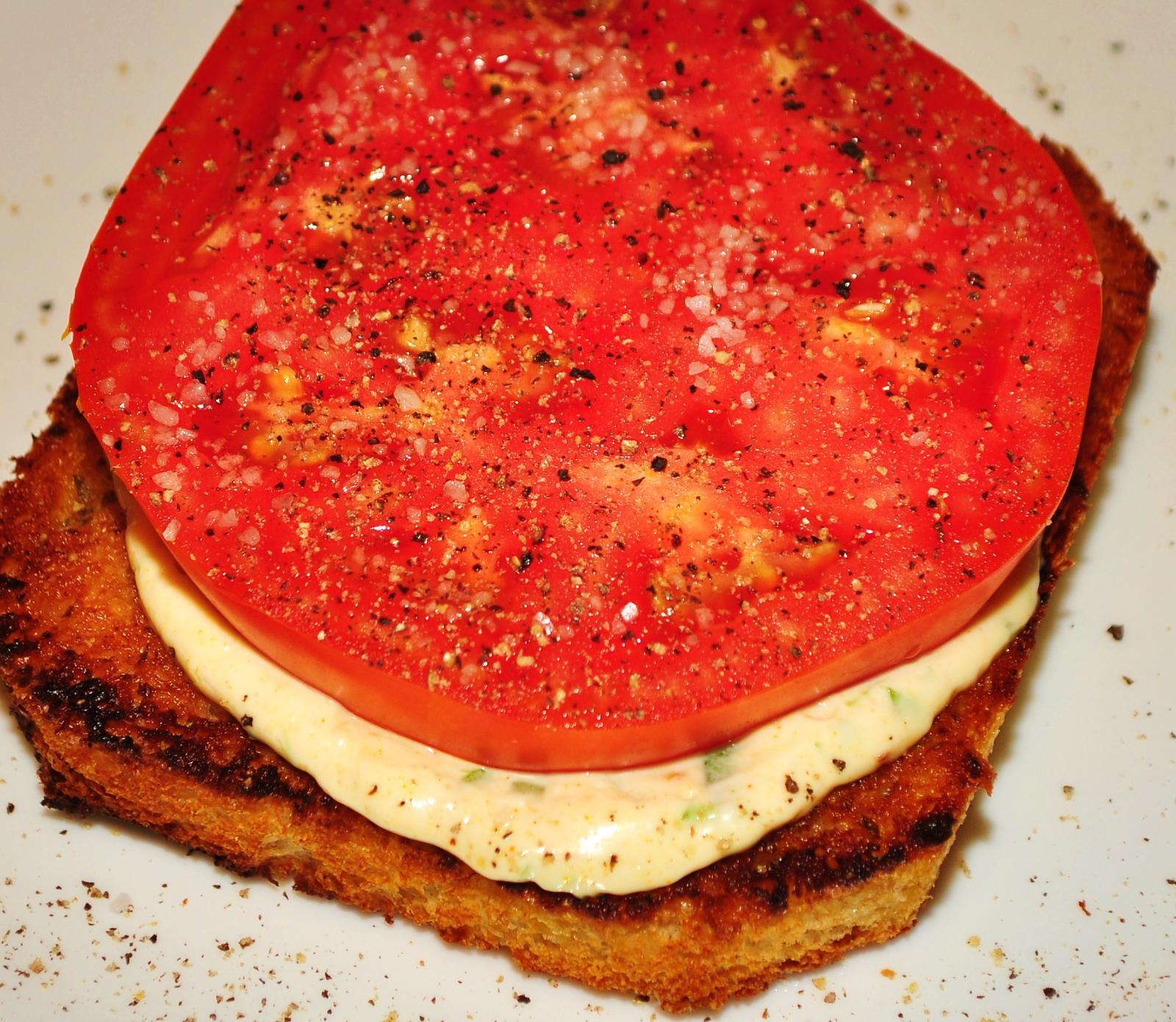
A tomato sandwich sounds simple because it is simple. That is the point. The best examples depend on peak-season tomatoes, good bread, salt, pepper, and a little fat from mayonnaise or butter. In Omaha, where summer produce can carry a lot of weight in a sandwich, this is a useful reminder that flavor does not always come from stacking more items on the board.
Tomato-forward builds are important because they show another side of the local palate. The city does not rely only on cured meats and melted cheese. It also has room for freshness, acidity, and cleaner seasonal notes. When the tomatoes are good, the sandwich tastes more direct than luxurious. That is not a downgrade. Sometimes direct is the smartest thing a kitchen can do.
5. Melted turkey or chicken sandwiches: controlled richness
Turkey and chicken sandwiches can drift into blandness if the kitchen treats them as default orders. Omaha’s better versions usually solve that problem with bacon, cheese, a sharper sauce, or a toasted bun that gives the filling more contrast. A grilled or smoked poultry sandwich works because it sits in the middle of the flavor spectrum: rich enough to satisfy, light enough to keep moving.
This is where the city’s flavor discipline pays off. Instead of chasing novelty, the best builds manage moisture, texture, and seasoning. A turkey melt with havarti or Swiss, for example, can taste calm on the surface and precise underneath. That is a very Omaha kind of success. It does the job, and it does not ask for applause.
6. Cuban-style sandwiches: acid and heat keep the fat honest
Cuban-style sandwiches are useful in Omaha because they make the flavor balance obvious. Ham and pork bring salt and richness. Swiss cheese smooths the edges. Mustard and pickles give the sandwich a bright, almost corrective finish. The heat from pressing the sandwich matters too. It changes the bread and keeps the entire experience tight.
This is the opposite of a passive lunch. A well-built Cuban asks the eater to notice the contrast between hot and cold, rich and sharp, soft and crisp. That contrast is one of the reasons sandwich culture remains so durable here. It is difficult to make a sandwich this layered without understanding what each ingredient is responsible for. In that sense, a Cuban is less a recipe than a test of discipline.
7. Meatloaf or other house-special sandwiches: local personality in plain sight
House-special sandwiches matter because they show what a kitchen does when it is not simply reproducing a national template. Meatloaf sandwiches, smoked sandwich specials, and other pub-style builds tend to reveal the kitchen’s taste for seasoning, sauce, and texture. They may not be the first thing a visitor orders, but they often become the sandwich people remember later.
These are also the sandwiches most likely to carry a small amount of humor in the best possible sense. They can sound odd on paper and work beautifully in practice. That is the secret of many local favorites: they are not trying to look elegant from across the room. They are trying to taste right after the first bite.
What the Sandwich Scene Says About Omaha
The cultural significance of sandwiches in Omaha is easy to miss if you only think of them as quick lunch food. They are also a record of how the city likes to eat: practical, but not boring; comfortable, but not soft; generous, but not careless. Sandwiches work especially well in a city with a strong lunch culture because they reward repeat visits and small differences in execution.
The Old Market reinforces that pattern. A district with walkable blocks, pubs, cafes, and visitor traffic naturally favors meals that are portable, shareable, and adaptable. Sandwiches are a strong fit for that environment because they can be a casual lunch, a sit-down meal, or a prelude to a longer afternoon. They do not need ceremony, but they can still carry identity. That is a useful combination in any food neighborhood.
The best local sandwiches also tell you something about the city’s standards. Omaha seems to prefer clarity over clutter. A sandwich can be rich, but the richness has to be controlled. It can be playful, but the playfulness needs a base. It can be seasonal, but not flimsy. This is why the same core ingredients keep returning: rye, beef, kraut, tomato, pickles, bacon, toasted bread, and sharp sauce. They are not fashionable by accident. They are functional.
That is the deeper pattern: Omaha sandwiches are distinctive not because they are exotic, but because they are coherent. They know what they are trying to do, which is more than some lunch menus can claim after a long week.
How to Read a Menu Like a Local
If you want a practical way to evaluate Omaha sandwiches, use a simple three-step check.
- Look for the balancing ingredient. If the sandwich is heavy, is there acid? If it is sharp, is there enough fat or cheese to round it out?
- Check the bread. Soft bread can be right for some fillings, but sturdy bread matters when the sandwich carries meat, sauce, and pickled ingredients.
- Ask whether the flavor has a reason. Good sandwiches usually have one clear idea and a few supporting moves, not seven competing ones.
For teams that track menu changes, ingredient notes, or frequent updates, a web app generator can be a practical way to keep that work organized.
This is where the site’s related guides can help. If you want the more menu-specific version of the conversation, the earlier Old Market sandwich roundup gives you concrete examples, while the contact page is the right place to send your own recommendations or questions.
For a broader sandwich context beyond Omaha, a quick look at the general sandwich entry helps explain why the form is so adaptable, and the Reuben sandwich page shows how one specific build became a lasting benchmark for flavor balance. Those references are not there to make the article feel academic. They are there because sometimes the fastest way to understand a local food culture is to compare it with the wider category it belongs to.
Conclusion
Omaha’s sandwiches stand out because they are built around recognizable flavor logic. Salt meets acid. Richness meets structure. Freshness keeps the heavier elements honest. That pattern shows up in Reubens, clubs, roast beef sandwiches, tomato sandwiches, turkey melts, and the more distinctive house specials that local kitchens are willing to put on a plate.
If you want the short version, it is this: Omaha sandwiches are rarely trying to impress you with complexity. They are trying to convince you that the balance is right. When they succeed, the sandwich tastes local in the best sense of the word. It feels like the product of a place with standards, not a trend deck.
If you want to keep exploring, start at the homepage for the broader site context, use the about page to understand the editorial angle, and visit the contact page if you have a sandwich worth adding to the conversation. Good lunch debates are rarely settled quickly, and that is part of the fun.