I like a sandwich lesson that begins with the parts that fail first: bread, moisture, timing, and the order in which you build the thing.
When people ask what makes a sandwich worth remembering, they usually want a short answer. I do not blame them. Lunch should not require a committee. But the better questions are the ones you ask before the first slice of bread hits the board: What kind of bread can hold the filling? How much acid does the sandwich need? What keeps it from turning soft before the second bite? And how do local chefs make the same simple format feel precise instead of rushed?
The sandwich is one of the oldest useful ideas in food, and it still earns attention because the form is so forgiving and so easy to ruin. Merriam-Webster defines sandwich in the plainest possible way, while Wikipedia’s overview of the sandwich reminds us that the idea has always been about portability and practical eating. That is the opening I want here: a food that looks casual, but rewards discipline. If you want a quick reset on the site itself, the homepage is the main starting point, and the about page explains how these neighborhood stories are put together. The blog index is where the rest of the sandwich coverage lives.
By the end of this article, you should have a clearer read on how local chefs think about bread, balance, layering, and recipe structure. You will also have four practical sandwiches to make at home, including a classic Reuben, a Caprese build, pulled pork, and a vegetarian option that still knows how to carry a meal. I am after something more useful than inspiration. I want you to leave with a repeatable method.
 \n
\nThe Basic Terms I Use
Before I get to the chefs’ advice, I want the vocabulary to be clean. Sandwich talk gets sloppy fast if the terms are vague. A small glossary keeps the process honest.
| Term | What It Means | Why It Matters |
|---|---|---|
| Bread | The structural base that carries the fillings. | If the bread is weak, the sandwich collapses before the flavor has a chance to speak. |
| Binder | Anything that helps the sandwich hold together, such as mayo, mustard, pesto, hummus, or cheese. | The binder should support the filling, not flood it. |
| Acid | Pickles, vinegar, tomatoes, mustard, sauerkraut, citrus, or other bright elements. | Acid keeps rich sandwiches from tasting flat. |
| Texture | Crunch, chew, toast, softness, and contrast. | Texture keeps each bite interesting. |
| Mise en place | French for “everything in its place.” | Chefs use it to keep assembly calm and consistent. |
| Layering | The order in which ingredients are stacked. | The wrong order makes the sandwich leak, slide, or go soggy. |
That list may look simple, but simplicity is the point. When a sandwich fails, it usually fails for one of these reasons: the bread could not keep up, the filling had no contrast, or the moisture was not controlled. The craft is not in adding more things. The craft is in deciding which things deserve to stay.
What Local Chefs Keep Emphasizing
I spent time looking at how Omaha chefs talk about sandwiches, and the pattern is not subtle. The best advice is rarely about exotic ingredients. It is about restraint, quality, and a steady hand. That is a comforting answer, because it means a good sandwich is still within reach if you pay attention to the basics.
One of the most useful local references is Restaurant Hoppen’s coverage of Kitchen Table and its chef-owners, Colin and Jessica Duggan. In that piece, Jessica Duggan described the restaurant’s style as “Casual with a lot of work put behind it”. That sentence could be taped to the wall of almost any serious sandwich kitchen. The food should feel easy for the guest and disciplined for the team. If the sandwich tastes effortless, someone already did the hard work.
“Casual with a lot of work put behind it.”
Colin Duggan’s advice is just as direct. In Restaurant Hoppen’s podcast notes, he says, “We’re not trying to reinvent the wheel. We’re just trying to make the wheel from scratch.” That is a strong sandwich principle. You do not need a dramatic invention. You need a clean process, a fair ingredient list, and a recipe that knows what it is trying to do.
“We’re not trying to reinvent the wheel. We’re just trying to make the wheel from scratch.”
That line is worth sitting with, because it explains why so many good sandwiches look simple from a distance. Simplicity is not the same as laziness. Simplicity is often the result of many decisions being made correctly in advance.
Here is the short version of what those local-chef lessons become once you turn them into home practice:
- Choose bread for the job. Soft bread has a place. Sturdy bread has a place. Do not ask one loaf to solve every problem.
- Balance richness with brightness. If the filling is heavy, add acid. If the filling is lean, add body.
- Keep wet ingredients under control. Tomatoes, pickles, sauces, and dressings should be placed with intention.
- Think about temperature. Warm fillings are not the same as room-temperature fillings, and the bread reacts differently to each.
- Build for the first bite and the third bite. A sandwich that starts strong but falls apart quickly is only half a win.
There is also a workflow lesson hiding in plain sight. Kitchens that keep prep lists, specials, and assembly steps organized usually make better food because the team is not improvising the basics every hour. For a business deciding where automation fits into that kind of repeatable work, a neutral outside resource such as AI consulting services can help map out practical options without turning the whole problem into a software project. The point is not technology for its own sake. The point is fewer avoidable errors.
Three Bread Rules That Save Lunch
I do not trust a sandwich that treats bread like background scenery. Bread is the frame. It can be plain, toasted, seeded, crusty, buttery, split, griddled, or soft, but it is never irrelevant. Once you start treating it that way, the rest of the sandwich gets easier.
1. Match the bread to the moisture
A wet filling needs sturdier bread. A tomato-heavy sandwich, a sauce-heavy chicken sandwich, or a hot pulled pork build will all punish a delicate loaf. If you know the filling runs juicy, choose bread with enough structure to resist it. That can mean a hoagie roll, ciabatta, rye, a toasted bun, or any bread that has some internal strength.
The rule is simple: the wetter the filling, the more disciplined the bread.
2. Toast when the sandwich needs armor
Toasting does not make every sandwich better. It does, however, give the bread a barrier against moisture and a little extra texture. That is why grilled or toasted builds often feel more complete. The surface gets a little resistance, and the bite has a better rhythm.
The trick is not to over-toast. Burnt bread is not a flavor plan. You want a surface that can hold up, not a crust that fights the rest of the sandwich for attention.
3. Keep the bread’s flavor in conversation with the filling
Rye brings a different personality than a soft brioche bun. Sourdough behaves differently than a sliced white loaf. Focaccia brings oil and aroma. A baguette gives more chew and more bite. If the filling is mild, the bread can bring character. If the filling is strong, the bread should be steady and supportive.
If you want a useful comparison point, Taste of Home’s sandwich-building guide follows the same basic logic: start with a good foundation, then layer the other ingredients with restraint. I do not think that advice is glamorous. I think it is correct.
 \n
\nHow I Balance Flavor and Texture
This is the part that separates a decent sandwich from one people remember. Flavor and texture are not separate jobs. They are partners. A rich sandwich without crunch feels heavy. A crunchy sandwich without depth feels thin. The best versions manage both.
My rule of thumb is to ask four questions before I build anything:
- What is the dominant flavor?
- What is the opposite note?
- What texture repeats the bite in a good way?
- What ingredient keeps the whole thing from getting boring after two bites?
For example, a roast beef sandwich is usually rich and savory. The opposite note might be horseradish, mustard, pickles, or sharp onions. The texture might come from toasted bread or crisp lettuce. The ingredient that keeps it from becoming dull could be Swiss cheese, a thin layer of onion jam, or a second textural layer like fried onions. None of that is complicated. It is just deliberate.
Jessica Duggan’s phrase, casual with a lot of work put behind it, applies here too. The casual part is for the person eating lunch. The work part is for the person making sure the sandwich lands correctly. That division of labor is the whole trick.
If you want another reference point, Serious Eats has a recent collection of easy sandwiches that reinforces the same idea: good sandwiches depend on clear combinations and a little respect for assembly. The best versions do not need much explanation once they are cut in half and on the plate.
One more practical note: the sandwich should feel complete without feeling crowded. If there are too many ingredients, the palate gets tired before the sandwich is gone. If there are too few, the sandwich starts tasting empty. The sweet spot is a tight stack with a few ingredients doing real work.
Step-by-Step Sandwich Recipes
These are the recipes I would hand to someone who wants useful practice, not just a list of ingredients. Each one shows a different kind of sandwich logic.
| Sandwich | Main Lesson | Best Bread | Skill Level |
|---|---|---|---|
| Classic Reuben | How salt, acid, fat, and heat stay in balance. | Rye | Intermediate |
| Caprese sandwich | How to keep a fresh sandwich from going limp. | Ciabatta or focaccia | Easy |
| Pulled pork sandwich | How to manage rich filling and structure. | Soft bun with enough strength to hold sauce | Easy to intermediate |
| Vegetarian roasted vegetable sandwich | How to build depth without meat. | Country loaf or seeded roll | Easy |
1. Classic Reuben
The Reuben is the most disciplined of the bunch. It looks rich because it is rich, but it only works when every layer respects the others. The meat needs seasoning. The kraut needs enough tang to cut through the fat. The cheese needs to melt, not vanish. The bread needs structure. If one part gets lazy, the whole sandwich loses its line.
Ingredients for 2 sandwiches
- 8 slices rye bread
- 8 ounces sliced corned beef
- 1 cup sauerkraut, drained well
- 4 slices Swiss cheese
- 3 tablespoons Russian or Thousand Island dressing
- Butter for the bread
Steps
- Drain the sauerkraut well so the sandwich does not go soggy. If you have time, press it gently in a strainer with a paper towel.
- Butter the outside of each bread slice. Spread dressing on the inside face of two slices per sandwich.
- Layer corned beef, sauerkraut, and Swiss cheese evenly. Keep the stack compact. You want a sandwich, not a structural challenge.
- Close the sandwich and grill it over medium heat until the bread is browned and the cheese melts.
- Rest the sandwich for a minute before slicing. That short pause helps the filling settle.
Why it works: the Reuben succeeds because it has a clear balance of salt, acid, cream, and toast. It is a sandwich that teaches proportion.
If you want a broader reference for the style, the Reuben sandwich page is a useful history-and-structure checkpoint. The point is not the trivia. The point is understanding why the combination keeps surviving.
2. Caprese sandwich
The Caprese sandwich is the cleanest example of a sandwich that depends on freshness and restraint. The tomato has to be good. The basil has to be alive. The cheese has to be creamy without turning the sandwich into a puddle. This is not the place to overbuild. If you do, you erase the point.
Ingredients for 2 sandwiches
- 1 loaf ciabatta or 1 large focaccia slab, split
- 1 large ripe tomato, sliced
- 8 ounces fresh mozzarella, sliced
- Handful of basil leaves
- Olive oil
- Balsamic glaze or a small splash of good balsamic vinegar
- Salt and black pepper
Steps
- Split and lightly toast the bread if needed. You want warmth and texture, not dryness.
- Arrange the mozzarella first so the tomato does not sit directly against the bread.
- Add tomato slices, basil, a little olive oil, and a light drizzle of balsamic.
- Season with salt and pepper right before serving.
- Close the sandwich and press very gently. The ingredients should stay distinct.
Why it works: the Caprese is a lesson in freshness, not volume. It proves that fewer ingredients can still feel complete when each one is good.
3. Pulled pork sandwich
Pulled pork asks for a different kind of discipline. The meat is rich and often saucy, so the bread and toppings need to keep it in line. I like this sandwich best when the slaw is bright and the bun can hold together long enough to matter. The goal is not elegance. The goal is control.
Ingredients for 4 sandwiches
- 4 sturdy sandwich buns
- 3 cups cooked pulled pork
- 1 cup barbecue sauce, warmed
- 2 cups coleslaw or vinegar slaw
- Pickles, optional
- Butter for toasting the buns
Steps
- Warm the pulled pork with enough barbecue sauce to coat it, not drown it.
- Butter and toast the buns lightly. A little crust gives the sandwich a better grip.
- Place pork on the bottom bun, then add slaw on top so the bright element stays visible and active.
- Add pickles if you want more acid and crunch.
- Serve immediately while the filling is hot and the bun still has strength.
Why it works: the pork gives richness, the slaw gives lift, and the bun keeps the whole thing from becoming a sauced pile. It is a straightforward sandwich, but only if the moisture is managed.
4. Vegetarian roasted vegetable sandwich
A vegetarian sandwich does not have to apologize for being vegetarian. It just has to make a clear case for itself. Roasted vegetables help because they bring sweetness and depth, and hummus or goat cheese can provide enough body to keep the sandwich from feeling thin. This is the version I make when I want the structure of a serious sandwich without relying on meat for weight.
Ingredients for 2 sandwiches
- 1 rustic loaf or 2 seeded rolls
- 1 zucchini, sliced and roasted
- 1 red bell pepper, roasted or jarred and drained
- 1 small eggplant, roasted, optional
- 1 cup arugula or baby spinach
- 4 tablespoons hummus or soft goat cheese
- Olive oil
- Salt, pepper, and a little lemon juice or vinegar
Steps
- Roast or warm the vegetables until they are tender and lightly browned.
- Toast the bread so the sandwich has a dry, strong base.
- Spread hummus or goat cheese on the bread.
- Layer the vegetables, then add greens for freshness and a little lemon juice or vinegar for brightness.
- Close the sandwich and press lightly before cutting.
Why it works: roasted vegetables bring depth, the spread gives body, and the greens stop the sandwich from feeling too dense. It is a good reminder that a vegetarian build still needs tension and contrast.
How to Make the Sandwich Look Good
Presentation matters more than people admit. A sandwich does not need to be fussy, but it should look intentional. If the filling is spilling out at odd angles, or the cut reveals a collapsed middle, the eater starts expecting a mess before the first bite. Visual order is not decoration. It is part of the promise.
I usually follow three habits:
- Slice cleanly. A sharp knife makes the sandwich look and eat better.
- Expose the layers. If the sandwich has good structure, cut it to show that structure.
- Finish with one clean garnish. A few herbs, a pickle, or a small side salad is enough. Do not create a second plate that competes with the first.
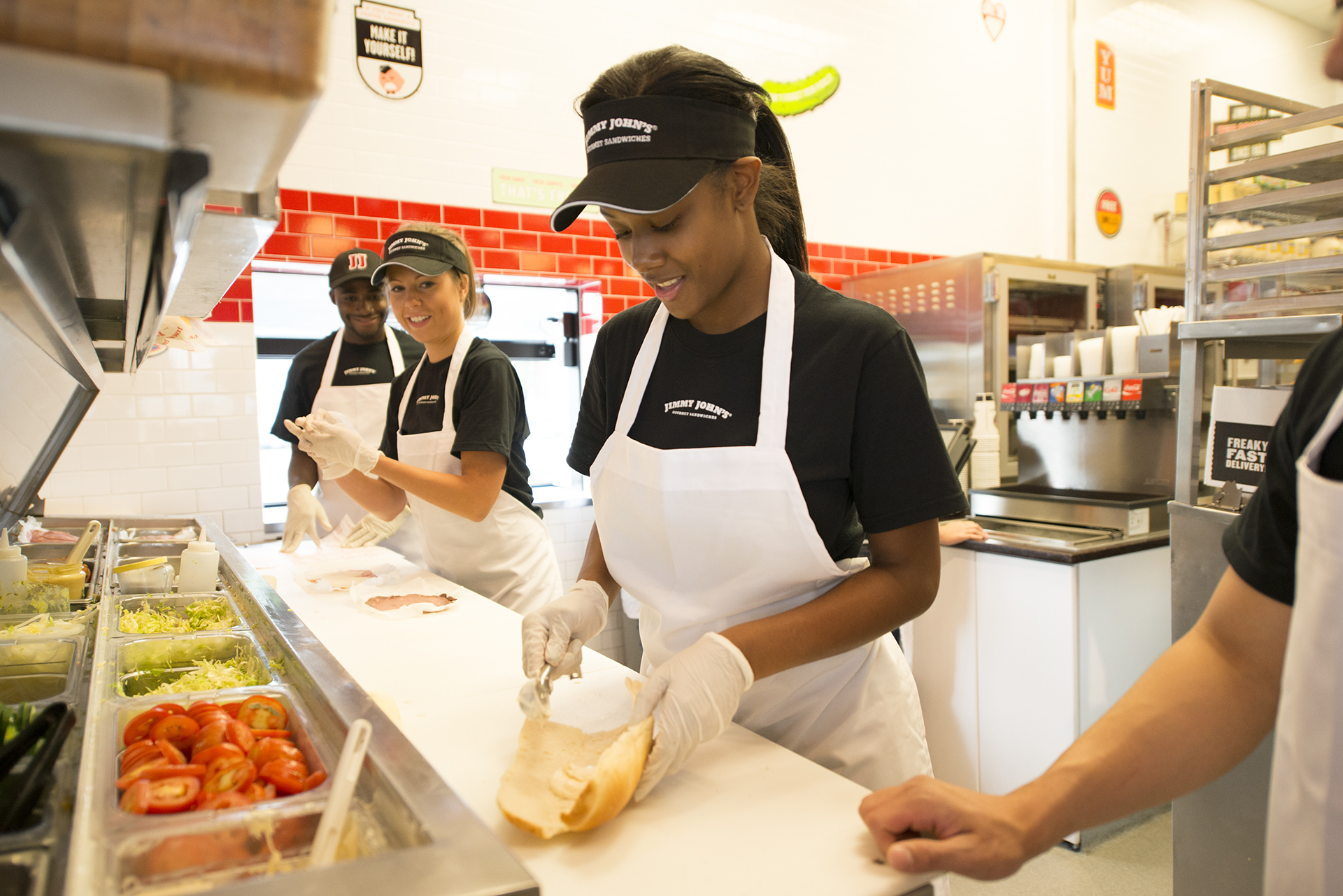
This is one of the reasons I like to keep a visible sandwich image in the article body. The photo is not there to fill space. It helps the reader see proportion. The inline image above shows that a good sandwich does not have to be ornate to look finished. It just has to be built with enough care that the layers make sense.
If you want to keep reading other neighborhood food stories after this one, the blog index is the best place to browse. If you want to understand the site’s approach to local coverage, the about page is the next sensible stop. And if you want a broader reference point for the Old Market itself, the homepage holds the main navigation together without making you hunt for the essentials.
What I Would Tell a Home Cook
If I had to boil the whole article down to one sentence, it would be this: do not overload the sandwich just because you can. Local chefs make this look easy because they are disciplined about the details. They choose bread that can do the job. They use acid to keep the fat honest. They keep the layers in the right order. And they understand that the guest should feel the work only in the final result, not in the mess.
That is why the best advice is so practical. You do not need culinary theater. You need a dependable process. Pick the bread first. Decide what needs balancing. Control the moisture. Cut cleanly. Serve while the texture still has integrity. That is the minimum safe setup, and it is enough to make a very good lunch.
Conclusion
The art of sandwich making is not about turning lunch into a performance. It is about respecting the small choices that make the whole thing work. Local chefs tend to say this in plain language because the truth is plain. Good sandwiches are built, not stumbled into. They reward bread selection, balanced seasoning, careful layering, and a little restraint.
Jessica Duggan’s “casual with a lot of work put behind it” is the best summary I have found. Colin Duggan’s “make the wheel from scratch” is the warning label. The sandwich should feel easy when it reaches the table, but that ease comes from discipline, not luck. Once you see that, home sandwich making gets simpler. You stop chasing novelty and start managing the failure modes.
If you want the broader neighborhood context, start with the homepage. If you want more local articles like this one, use the blog index. If you want to know how this site approaches its food coverage, the about page lays it out without wasting your time. Then go make something worth slicing cleanly.
Key Takeaways
- Bread is structural, not decorative. Choose it for the filling, not by habit.
- Balance matters more than ingredient count. Acid, fat, texture, and seasoning need to work together.
- Local chefs favor discipline. The best sandwiches look simple because the prep was careful.
- Recipe order matters. Wet ingredients, heat, and bread type all affect the final bite.
- Presentation is part of the craft. A clean cut and a stable build make the sandwich feel finished.