If you want a cleaner lunch, stop staring at the toppings and look at the trash can first. That is where the real story lives. A sandwich can be local, seasonal, wrapped in paper, and still be a mess if the shop treats packaging like a shrug and sourcing like a marketing hobby.
When people search for eco-friendly food, they usually ask the same few questions: Is it local? Is it seasonal? Is the packaging compostable or just brown? Does the place actually reduce waste, or is it simply better at printing green words on a menu? Wendell Berry said it plainly: “Eating is an agricultural act.” That is the right starting point. Your lunch is not separate from the farm, the truck route, the container, or the bin it ends up in.
The problem is not theoretical. The EPA’s sustainable food guidance treats wasted food as an environmental issue, not a branding exercise, and USDA research on local and regional food systems points to practical benefits like shorter supply chains and less waste. That matters here because a sandwich shop has a lot of control over a few boring details: where ingredients come from, how much gets thrown away, and whether the to-go container belongs in a commercial compost stream or the garbage.
This article is the useful version of that conversation. You will get a plain definition of sustainability in sandwich terms, a short checklist for ordering better, a reality check on packaging, and a few local Omaha examples that actually publish something concrete instead of hiding behind vibes. If you want the site basics first, the home page, blog index, and about page are there. The rest of this piece is about the food.
What sustainability means in a sandwich shop
“Sustainability” gets abused so often that it starts to mean almost nothing. In food, the word should mean this: the shop tries to reduce waste, use responsible inputs, and avoid pretending that every disposable object is harmless because it is beige. That is not poetic. It is operational.
| Term | Plain meaning | What to look for |
|---|---|---|
| Local sourcing | Ingredients bought from nearby farms or regional suppliers. | Specific farm names, regional supply notes, or seasonal menus. |
| Compostable packaging | Containers made to break down in a commercial compost system. | Clear disposal instructions, not just a green logo and hope. |
| Waste diversion | Keeping food scraps and compostable serviceware out of landfill. | Pickup service, on-site sorting, or a named compost partner. |
| Seasonal menu | A smaller menu that changes with availability. | Fewer permanent ingredients and more rotating specials. |
| Reusable serviceware | Plates, cups, and utensils used again instead of once. | Indoor dining service that does not default to disposables. |
Here is the part people skip: compostable is not a magic word. The Omaha Recycling Guide makes the point clearly. Certified compostable items do not belong in curbside recycling, and if there is no commercial compost option, they may need to go in the garbage. That sounds anti-climactic. It is also the truth. A green container with the wrong destination is just expensive litter.
What to order if you actually want a lower-waste sandwich
The cleanest sandwich is usually not the one with the longest ingredient list. It is the one that avoids waste at each step. That means you should care about composition, packaging, and service, not just taste. Taste matters, obviously. But so does the trail of scraps behind the meal.
- Choose a simple build. Bread, protein, greens, one or two vegetables, and a sauce. Every extra component creates another supplier, another cold case, another potential discard.
- Prefer seasonal produce. Tomatoes in winter are often a clue that someone is importing trouble from far away. Seasonal menus usually waste less because they follow reality instead of fighting it.
- Ask for paper wrap or no extra bag. If the shop can wrap safely in paper, do that. If you do not need a second bag, do not accept one like a souvenir.
- Skip the default utensil kit. If you are eating a sandwich, you probably do not need a plastic fork, napkin mountain, and a straw that will spend 500 years resenting you.
- Eat in when possible. Reusable plates and cups beat a stack of single-use serviceware almost every time.
- Ask one direct question. “Where does your compostable packaging go?” If the answer is vague, so is the practice.
The reason this works is simple. Sustainability in food is mostly a chain of small decisions. Nobody gets a medal for one recycled bag if the rest of the lunch is built on plastic, over-ordering, and a landfill-bound compostable container. The boring details are the point.
A quick scorecard for judging the shop
Use this before you call a place “eco-friendly.” If it fails here, do not invent a halo around it.
| Signal | Good sign | Red flag |
|---|---|---|
| Packaging | Specific compostable or reusable serviceware with disposal guidance. | “Eco” labels with no explanation of where the container goes. |
| Sourcing | Named local farms, regional vendors, or seasonal rotation. | “Fresh” with no details. Fresh is not the same as sustainable. |
| Menu size | Focused menu that reduces spoilage and confused inventory. | A giant menu that tries to be everything and wastes the middle. |
| Waste plan | Compost pickup, recycling guidance, or a clear back-of-house system. | No public policy, no visible bin system, no answer when asked. |
| Service style | Dine-in on reusable ware when practical, takeout only when needed. | Every order treated like emergency rations wrapped for the apocalypse. |
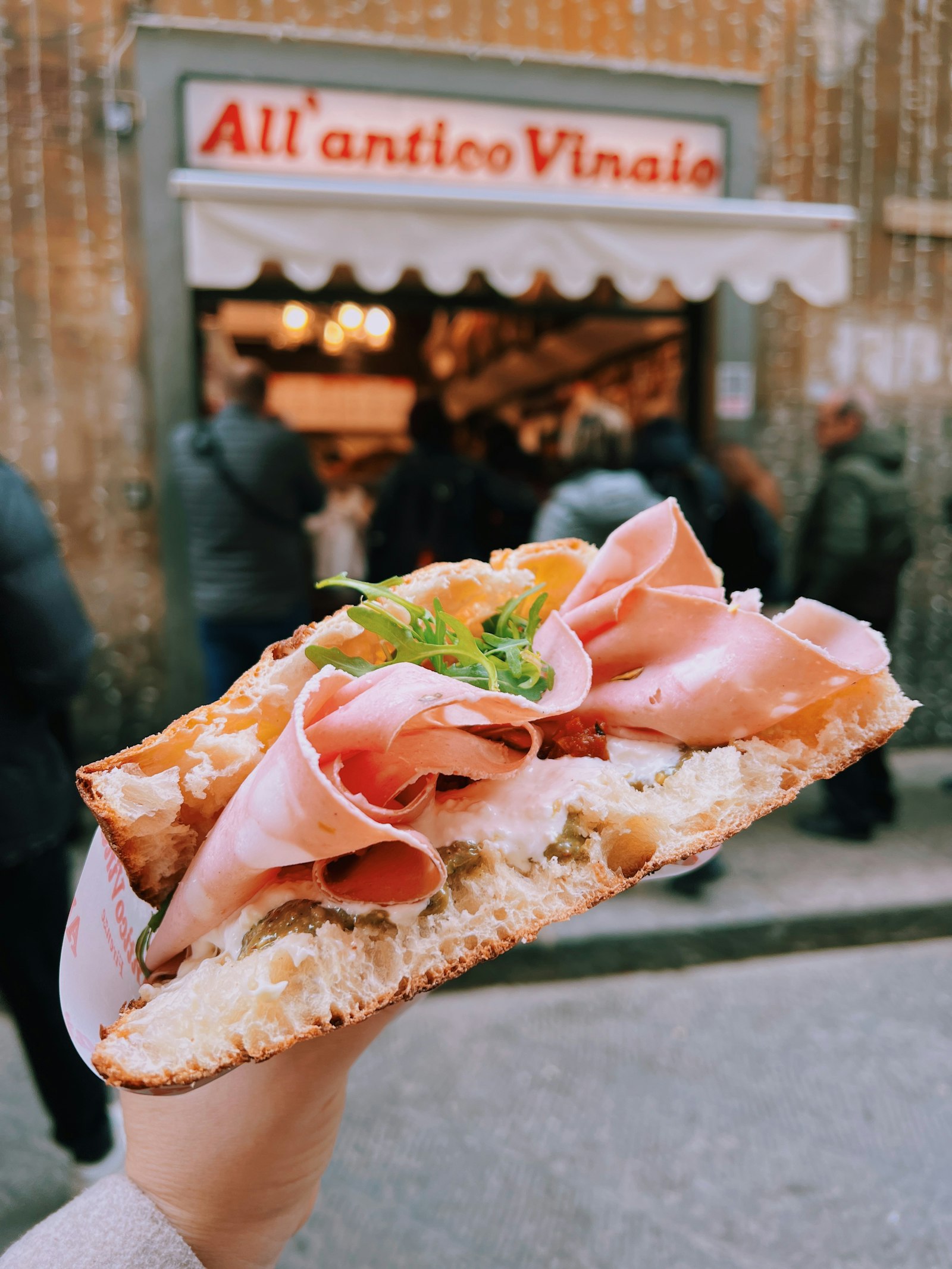
Featured local shops worth a closer look
This is the part where most articles get lazy and start handing out gold stars for the word “local.” I am not doing that. A shop deserves credit only for what it actually publishes or clearly does.
Greenbelly: the clearest packaging signal
If you want the simplest public example of a sustainability signal in the Omaha area, start with Visit Nebraska’s profile of Greenbelly and Greenbelly’s own public claims. The business is described as serving sandwiches, salads, soup, and grilled pizza, and the eco-friendly angle is not vague: the containers and disposables are made from 100% compostable corn. That is the kind of claim you can test instead of admiring from a distance.
Why this matters: compostable packaging only helps if the shop and the customer both know what happens next. This is where many places fall apart. Greenbelly at least gives you a visible starting point. That does not make every order perfect. It does make the waste stream easier to talk about honestly.
What to order here: a sandwich or wrap that travels well, with no extra cutlery unless you need it. If the meal is built to survive a takeout run, the packaging should not be the most impressive part of the operation.
Omaha Tap House: local sourcing with sandwiches on the menu
Omaha Tap House says it prides itself on being locally sourced and made from scratch, and its menu includes sandwiches alongside burgers, salads, and other pub food. That is not a full sustainability audit. It is still a useful signal. Local sourcing usually means shorter supply chains, more traceability, and less empty theater.
There is a trap here, so let’s avoid it: locally sourced is not automatically sustainable. A burger made from nearby ingredients is still a burger, and a sandwich can still arrive in wasteful packaging. But if you are trying to steer your money toward a shop that thinks about sourcing at all, this is the sort of public statement that matters.
What to order here: a sandwich or salad on a dine-in plate if you have time. If you are taking it to go, ask whether they can skip extra packaging. The less ritualized waste, the better.
Phyl’s Deli: small menu, fresh ingredients, weak public proof
Phyl’s Deli in the Old Market is worth mentioning because it shows the gap between good food and proven sustainability. Public coverage describes it as a small deli with fresh ingredients and a tight menu. That can help with waste. It can also mean absolutely nothing if the packaging and sourcing are not handled well. That is the point. Do not confuse a modest menu with an environmental plan.
If you are choosing a sandwich shop for eco reasons, this is the mindset that saves time: ask for the policy, not the aesthetic. A tiny menu can be a clue. It is not evidence by itself.
How these shops compare
| Shop | Visible sustainability signal | What still needs checking |
|---|---|---|
| Greenbelly | Publicly stated compostable containers and disposables. | Whether you have access to proper composting downstream. |
| Omaha Tap House | Locally sourced, made-from-scratch approach with sandwiches on the menu. | Packaging choices and whether you are dining in or taking out. |
| Phyl’s Deli | Small deli menu and fresh ingredients in the Old Market. | Public packaging and sourcing policy, which is the part that matters. |
False leads to ignore
Most sustainability mistakes in sandwich buying are not dramatic. They are small misunderstandings that sound sensible until you inspect them. That is why people keep getting misled by the same dull nonsense. The container is brown, so it must be good. The lettuce is local, so the whole operation must be local. The menu is short, so the business must be responsible. None of that is enough on its own.
Use this filter instead. If a shop cannot answer these questions clearly, the claim is still in the “maybe” bucket, which is where weak evidence belongs.
- Was the ingredient actually sourced nearby? “Local” should point to a real supplier, not a feeling.
- Does the shop say what happens to compostables? If there is no downstream plan, the container is just decorative guilt.
- Is the menu small because it is seasonal or because it is limited? Those are not the same thing, and the difference matters.
- Does the place avoid default waste? Extra napkins, extra bags, and extra utensils are all tiny lies that add up.
- Can the staff explain the policy in one sentence? If they need a sales pitch, the answer is probably weak.
There is a useful mental shortcut here: good sustainability is visible when nobody is trying to perform it. The better shop usually makes the clean choice the easy choice. The compostable container is obvious. The sourcing note is specific. The service flow is simple. Nobody has to hold a seminar at the register.
What the whole sandwich industry gets wrong
The sandwich business loves two myths. The first is that “fresh” equals “responsible.” It does not. Fresh can be transported badly, wrapped badly, and thrown away badly. The second is that a compostable container fixes everything. It does not. If the shop has no real compost route, the container is just another item with a better conscience than the landfill it is headed for.
That is why the Omaha Recycling Guide caveat matters. Omaha-area compostables only help when they are handled correctly. A shop that says the right thing about packaging but gives you no disposal path is halfway to nowhere. The customer then gets to play guess-the-bin, which is a ridiculous way to manage a supposedly sustainable meal.
Local food systems help for another reason. USDA’s local and regional food systems work points to reduced food waste, stronger local economies, and fresher food moving through shorter chains. That is not a moral sermon. It is a practical map. If a sandwich shop sources closer to home and buys in smaller, smarter batches, it has less distance to waste and fewer chances to overcomplicate a lunch.
A better way to order lunch
If you want the shortest path to a more sustainable sandwich, use this decision tree:
- Ask what is local. If the answer is specific, keep listening. If the answer is “everything,” stop trusting the sentence.
- Ask what the package is made from. Paper, compostable fiber, reusable ware, or plastic that will outlive your grandchildren? The answer should be easy.
- Ask where compostables go. A real system has a destination. A fake one has a slogan.
- Choose the simplest build that still tastes good. Fewer moving parts usually mean fewer scraps.
- Support the places that answer clearly. Reward transparency, not green decoration.
One more thing: if you are ordering for a group, the waste multiplies fast. A box of six sandwiches can generate a small landfill of napkins, bags, condiment packets, and random forks unless someone makes a decision in advance. That decision is usually boring. Ask the shop to skip the extras, consolidate the packing, and use the smallest sensible container. If the place can do that without drama, it is far more credible than a business that sells itself on sustainability while packaging a lunch like a hazardous-material shipment. Small decisions, repeated often, are the actual mechanism here.
That is the whole trick. You do not need to become a food purist. You just need to stop giving free passes to vague claims. Most people already know how to judge a sandwich by smell, texture, and balance. Apply the same standard to the shop’s waste habits. If the operation is clean, the evidence will be visible.
Bottom line
Sustainability in sandwich shops is not mystical. It is a stack of ordinary decisions: where the ingredients come from, how much gets wasted, what the packaging is made of, and whether the shop can tell you where that packaging goes afterward. The places worth your money are the ones that can answer those questions without turning the conversation into marketing fog.
In Omaha’s Old Market, that means looking for real signals. Greenbelly gives a clear packaging claim. Omaha Tap House gives a public sourcing claim. Phyl’s Deli shows why you should not confuse a small menu with a sustainability policy. The useful habit is simple: check the boring thing first. That is usually where the truth is hiding.
If you want a practical rule you can reuse anywhere, keep it this simple: public claim, visible system, clear disposal path. If one of those pieces is missing, the argument for sustainability is incomplete. That does not mean the shop is bad. It means the evidence is still partial, which is a much healthier answer than pretending otherwise. Honest uncertainty beats fake confidence, and a lot of food marketing could use the embarrassment.
That is the standard. It is not glamorous, but it keeps you from buying a story when you meant to buy lunch.
When you want more of this site’s practical Old Market coverage, start with the home page, browse the blog index, or read the about page for the site’s background. Then go eat a sandwich that does not make the planet clean up after your lunch.
Key points:
- Local sourcing helps, but it is not proof of sustainability by itself.
- Compostable packaging only matters if there is a real compost path.
- Small, seasonal menus often create less waste than sprawling ones.
- Greenbelly and Omaha Tap House publish stronger public signals than most places.
- If a shop cannot explain its packaging and sourcing, treat the claim as unproven.