A signature sandwich is just a sandwich with a point of view. That is the whole trick. Not a mountain of ingredients. Not a competitive amount of mayonnaise. Just a few smart choices that make one bite feel like yours.
If you have ever stood in front of the fridge asking questions like Should this be hot or cold?, What bread actually matters?, How do I make it taste like something instead of “lunch happened”?, you are already doing the right kind of thinking. The sandwich is a tiny blank canvas with a lower risk profile than a full dinner and a much better mood than a salad that forgot its personality.
There is also a practical side to the fun. USDA MyPlate keeps the idea of balance simple and visual, while the CDC reminds home cooks that food safety still matters when you are working with fresh ingredients and leftovers. For a more visual way to think about balance, the Harvard T.H. Chan School of Public Health’s Healthy Eating Plate is a useful reference point. For handling ingredients safely, the CDC’s food safety guidance is the boring magic that keeps lunch from becoming a regret with mustard on it.
By the end of this guide, you will know how to build a signature sandwich with a real formula, how to pick ingredients that behave well together, how to layer them without turning your bread into a sponge, and how to test variations until you land on the version you will actually want to make again. If you want a little more sandwich-minded reading after this, the site’s About page explains the spirit behind the project, and the blog is where the next round of edible opinions lives.
Start With a Formula, Not a Panic Spiral
The easiest way to invent your own sandwich is to stop thinking in ingredient piles and start thinking in roles. Every strong sandwich has parts that do jobs. Bread gives structure. Spread gives moisture and flavor. The main filling gives the sandwich its headline. Crunch keeps things from feeling sleepy. Something bright, pickled, or acidic wakes everything up. A final accent at the end tells the whole thing which direction to go.
That is the boring structure. It is also the useful structure. Once you know the jobs, you can swap ingredients without rebuilding the entire concept from scratch every time you open the fridge and discover one lonely celery stalk and a slice of cheddar staring at you like a challenge.
| Sandwich part | What it does | Easy default | Personality twist |
|---|---|---|---|
| Bread | Holds the whole plan together | Sourdough, rye, brioche, whole grain | Use seeded bread, ciabatta, a pita, or even focaccia |
| Spread | Adds moisture and first-flavor contact | Mayo, mustard, hummus, pesto | Try whipped feta, chili crisp mayo, or garlic butter |
| Main filling | Gives the sandwich its identity | Turkey, chicken, tuna, egg salad, roast vegetables | Smoke, spice, or herbs to make it unmistakable |
| Crunch | Creates texture contrast | Lettuce, cucumber, chips, onion, sprouts | Pickled onions, fried shallots, or slaw |
| Bright note | Keeps richness from flattening out | Pickles, lemon, tomato, vinegar | Quick-pickled carrots, relish, or a squeeze of hot sauce |
| Finish | Leaves the final impression | Salt, pepper, herbs, cracked chile | Fresh basil, dill, flaky salt, or a dusting of smoked paprika |
Once you start building this way, the sandwich stops being a random stack and starts becoming a design problem. A very edible design problem. The best kind, frankly.
Choose Your Signature Lane
You do not need to chase maximum complexity. In fact, complexity is often the thing that makes a sandwich forget its own name. A signature sandwich works best when it has a clear lane and one memorable detail. Think of it like choosing a theme for a room: one strong idea beats seven unrelated accents and a decorative pillow that is lying to everyone.
The Bright and Fresh Lane
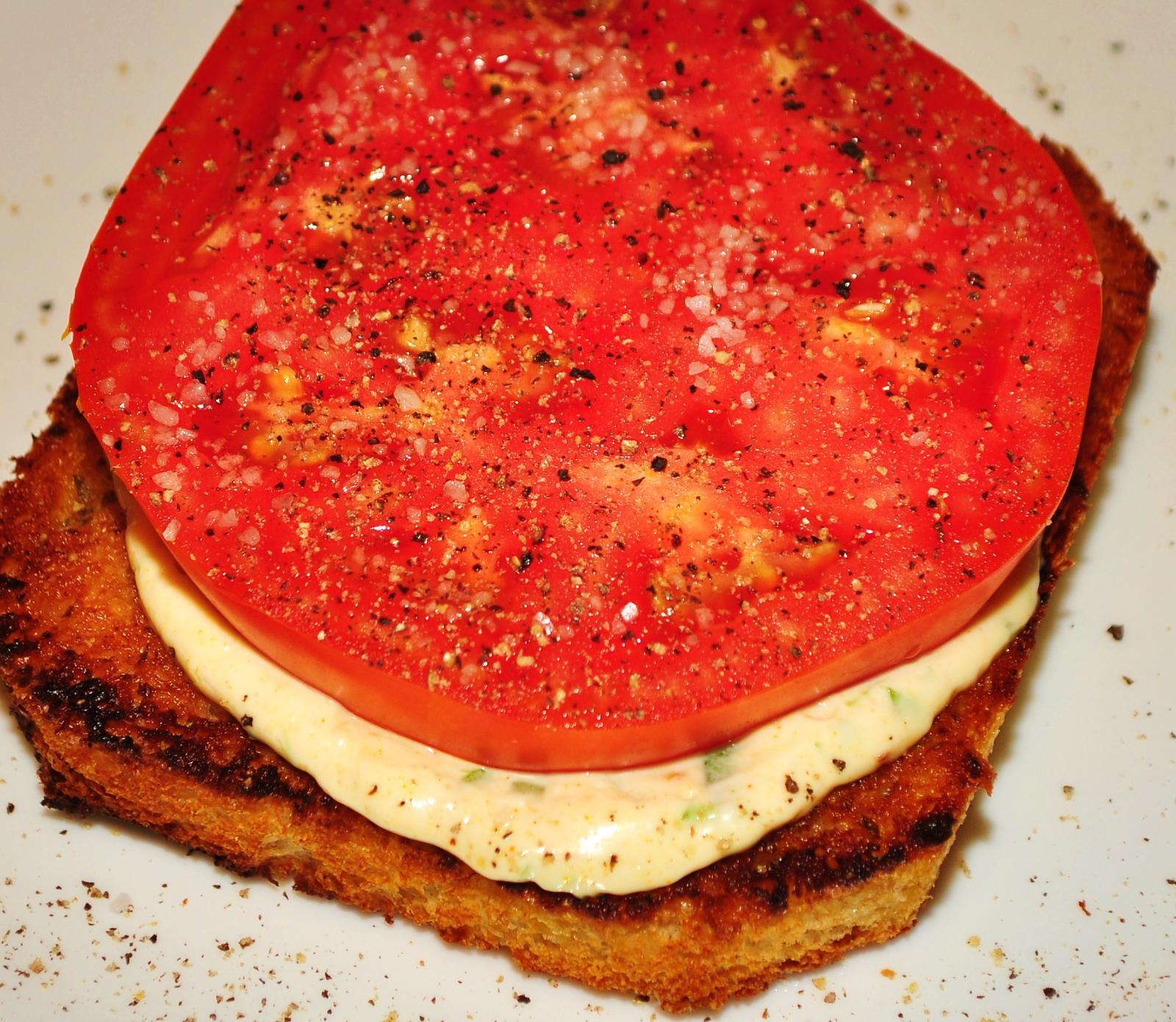
This is the sandwich for people who like crisp edges, juicy tomatoes, herbs, and a clean finish. Start with good bread, a spread such as hummus or a light mayo, then add sliced tomato, cucumber, lettuce, basil, and a little salt. Finish with olive oil or vinegar if you want the whole thing to taste awake.
The Savory and Cozy Lane
This lane leans into warmth, cheese, roasted meat, and a little more richness. Think roast beef with horseradish, turkey with stuffing-style herbs, or ham with Swiss and Dijon. The goal is comfort without boredom. If the sandwich feels like it should be wearing a cardigan, you are close.
The Crunch Factory Lane
If texture is your love language, this one is for you. Use sturdy bread, something creamy for contrast, and then load up on crisp lettuce, sliced radish, pickles, slaw, or even crushed potato chips. The sandwich should sound a little crisp when you bite it. Not loudly. We are making lunch, not a snare drum.
The Herb-and-Spice Lane
This is where your sandwich starts feeling curated. Add pesto, dill, chives, parsley, cilantro, chili crisp, hot sauce, or peppery greens. Herbs give a sandwich an immediate sense of intention. Spices do the same. One small shower of chopped herbs can make a sandwich feel less like leftovers and more like a plan.
The Meatless Showoff Lane
A signature sandwich does not need meat to have range. Roasted peppers, marinated mushrooms, grilled zucchini, eggplant, egg salad, chickpea salad, or smashed avocado can all do the job beautifully. Add cheese, crunch, and something acidic, and you have a sandwich that does not need an apology or a backup plan.
For a little historical perspective on how broad the sandwich category really is, the sandwich overview on Wikipedia is surprisingly useful as a reminder that the format has always been flexible. The point is not tradition for tradition’s sake. The point is getting to eat something that makes sense to you.
Build Creative Combinations Without Overthinking It
The quickest way to invent a signature sandwich is to pick one flavor anchor and then add two supporting characters. The anchor is the part you would miss most if it vanished. The supporting characters are there to keep the sandwich from feeling one-note. It is a simple system, which is good, because your lunch should not require project management software.
Here are a few combinations that work because they give you contrast, not chaos:
- Tomato, basil, and mozzarella on rustic bread – bright, soft, and familiar, with a little olive oil or balsamic to keep it lively.
- Turkey, cheddar, apple, and Dijon – sweet, sharp, and savory at once, which means the sandwich keeps changing every few bites.
- Roast beef, horseradish, and caramelized onions – bold, rich, and slightly dramatic, in the best possible way.
- Hummus, cucumber, roasted peppers, and feta – cool, salty, creamy, and bright without leaning too hard on any one note.
- Egg salad, dill, and arugula – creamy and peppery with enough herb energy to feel intentional instead of old-school cafeteria.
- Chicken, pesto, and provolone – simple, green, and satisfying, especially on toasted bread.
- Ham, Swiss, pickles, and mustard – a classic for a reason, because the acid keeps the richness honest.
- Avocado, tomato, sprouts, and chili flakes – soft, fresh, and a little spicy, which is how you avoid blandness wearing a hat.
If you want the sandwich to feel uniquely yours, choose one ingredient that people would describe as “oh, that’s interesting” and keep the rest of the build grounded. One unexpected ingredient is enough. Three unexpected ingredients is how you end up with lunch that feels like it is auditioning for a cooking competition you did not apply to.
A practical test: if you can describe the sandwich in one sentence and it sounds appetizing, you are on the right track. If the sentence starts sounding like a grocery accident, simplify.
Layering Rules That Actually Help
This is the part where the sandwich earns its good behavior. Layering is not glamorous, but it is the difference between a tidy build and a bread situation that collapses halfway through the first bite. Keep these rules close.
1. Protect the bread
If you are using juicy ingredients like tomatoes, pickles, or sliced cucumbers, give the bread a moisture barrier. A spread like mayo, hummus, butter, or cream cheese helps. Toasting the bread helps too, especially if you want a sturdier crunch. The goal is simple: bread should support the sandwich, not become part of the filling by accident.
2. Put the wettest ingredients in the middle
Think of the sandwich as a little moisture sandwich inside a bigger sandwich. Dryer ingredients on the outside. Juicier ingredients in the center. This keeps the structural chaos under control and gives you better bite consistency from the first mouthful to the last.
3. Pair hot and melty with sharp and bright
If you have melted cheese, warm chicken, or a grilled component, give it something bright. A pickle, a little mustard, fresh herbs, or a splash of vinegar can keep the rich parts from sitting there like they own the place.
4. Add crunch with intent
Crunch is not just decoration. It is what keeps the sandwich interesting after the third bite. Lettuce is fine. Cucumber is fine. But if you want a signature sandwich, think a little bigger: thin-sliced radish, quick-pickled onions, slaw, fried shallots, or even crushed chips tucked in at the last minute.
5. Salt thoughtfully
Salt is one of the easiest ways to make the sandwich taste like someone cared. Tomatoes need it. Avocado loves it. Roasted vegetables usually improve with it. But salt is also easy to overdo, so season in layers instead of dumping all your hopes into one dramatic move.
Food safety deserves the same calm attention. The CDC recommends keeping raw and ready-to-eat foods separate, cooking to safe temperatures when needed, and chilling leftovers promptly. That sounds less glamorous than “signature sandwich,” but the result is a lunch you can trust instead of one you are emotionally negotiating with later.
Make It Repeatable, Not Just Good Once
A truly signature sandwich is not only the one that tastes great today. It is the one you can make again next week without needing divine intervention or a handwritten note from your past self. Repeatability is where the magic stops being random and starts becoming personal style.
If you like systems, this is the part where the process gets oddly satisfying. If your lunch experiments start feeling like a tiny workflow problem, a resource such as AI consulting services is the kind of external help businesses use when they need to figure out where AI fits before building a bunch of needless complexity. Sandwiches are obviously not software, but the same logic applies: decide what matters, keep the useful steps, and stop doing extra work that does not improve the result.
For your own sandwich routine, use a simple three-bite test:
- Bite one: Does the first impression make sense? This is where bread, spread, and top-line flavor matter most.
- Bite two: Is there enough contrast? This is where crunch, acid, and texture show whether the build has depth.
- Bite three: Do you still want another bite? If the answer is yes, the sandwich has staying power and not just first-date charm.
You can also keep a tiny sandwich notebook or note in your phone. Nothing fancy. Just record the bread, spread, filling, and one thing you would change next time. That single habit turns random lunch luck into actual learning. The next time you build, you are not starting from zero. You are iterating like a very hungry product manager.
When to Toast, Press, or Leave It Soft
There is no universal law here. The bread choice depends on the mood of the sandwich.
- Toast it when you want structure, warmth, and a little crunch. Toasted sourdough, rye, or ciabatta can handle heavier fillings and wetter ingredients better than soft bread can.
- Press it when you want the flavors to knit together and the cheese to go a little molten. A panini-style press or even a skillet with a heavy pan on top will do the trick.
- Leave it soft when you want a lighter bite, delicate fillings, or a sandwich that tastes fresh and direct. This works especially well with tender greens, herb spreads, or egg salad.
One easy rule: the softer and wetter the filling, the more structure the bread should have. One more easy rule: if you are unsure, toast a slice and test. The bread will tell you the truth faster than a complicated brainstorming session ever will.
Seven Signature Sandwich Ideas to Try This Week
Here are seven build ideas that are easy to adapt. None of them require a culinary summit. Each one is just a starting point that invites your own twist.
- The Bright Stack: tomato, mozzarella, basil, olive oil, and flaky salt on toasted sourdough.
- The Deli Classic With Attitude: turkey, cheddar, pickle chips, Dijon, and peppery greens on rye.
- The Cozy Melt: ham, Swiss, grainy mustard, and thin apple slices on butter-toasted bread.
- The Crunch House Special: hummus, cucumber, radish, roasted peppers, and sprouts on a pita or flatbread.
- The Green Machine: avocado, egg, herbs, lemon, and chili flakes on whole grain toast.
- The Roast-and-Repeat: roast beef, caramelized onion, horseradish, and arugula on a crusty roll.
- The Leftover Hero: whatever cooked vegetables, protein, and sauce you have, layered carefully so the whole thing still tastes planned.
The last one is important. A signature sandwich does not have to be expensive, rare, or neatly scripted. Sometimes it is just the best possible response to the ingredients you already have. That is not settling. That is being clever with lunch.
Wrap It Up Like You Mean It
The best signature sandwich is not the fanciest one. It is the one that keeps making sense after the novelty wears off. It has a bread that fits the filling, a spread that supports the flavor, a texture that wakes things up, and one or two ingredients that make it feel unmistakably yours.
So start small. Pick a bread you trust. Pick one star ingredient. Add one bright thing and one crunchy thing. Toast if the sandwich needs armor. Leave it soft if the build wants to stay delicate. Then taste, adjust, and name the thing if that makes the process more fun. A sandwich called “Thursday Turkey Supreme” may not improve the flavor directly, but it will improve morale, which is its own kind of seasoning.
If you want more sandwich ideas, food history, and the occasional useful tangent, browse the blog, learn more about the site on About, or head back to the homepage and start fresh. Then make one sandwich that feels like a real decision instead of a fridge negotiation. That is the whole game.