Omaha food scene
The Role of Sandwiches in Omaha’s Food Scene
Sandwiches are one of the simplest meals to explain and one of the easiest to underestimate. In Omaha, they do more than fill a lunch break. They carry local history, anchor neighborhood menus, and give the city a shared language for comfort food that is both practical and a little proud of itself.
Visit Omaha’s own dining guides point to the city’s sandwich identity in two useful ways: first, by treating the Reuben as Omaha’s most famous bite, and second, by showing how downtown and the Old Market remain dense with places built for lunch, dinner, and everything between. Those two ideas, taken together, explain why sandwiches stay relevant here. See Omaha’s most famous bite and the downtown restaurants guide.
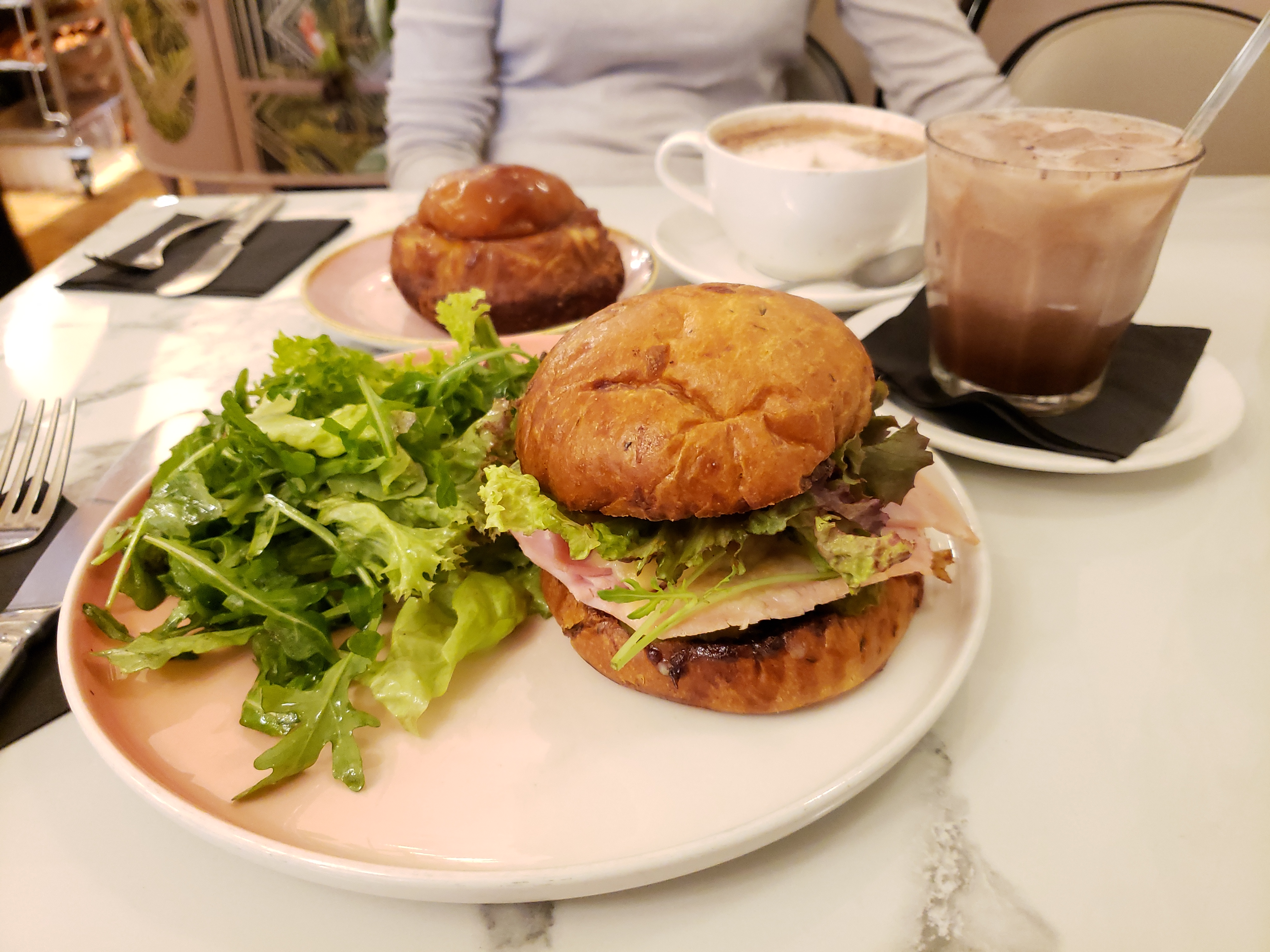
Sandwiches fit Omaha because they fit the city
Omaha’s food scene is broad enough to support steakhouses, neighborhood pubs, fine dining, and casual counters, but sandwiches occupy a special middle ground. They are fast without being disposable. They can be humble lunch food or the main reason people cross town. That flexibility is useful in a city where workday lunches, family outings, and event-day meals often overlap.
The Reuben is the obvious headline. Visit Omaha traces the city’s signature sandwich back to the Blackstone Hotel and frames it as a local original that grew into a national staple. Omaha Magazine has continued to cover that legacy through current events like the annual Great Reuben Debate, which turns a familiar local sandwich into a community contest. That is not a minor cultural detail. It is a sign that the city still treats the sandwich as something worth arguing about, which is often how food earns a permanent place.
But Omaha’s sandwich culture is not only about one famous recipe. The broader scene includes diner classics, pub builds, lunch counter staples, and newer sandwiches that lean into seasonal produce or sharper regional flavors. The format is familiar, but the variations keep it from becoming dull. A city does not need ten thousand categories of bread to build a serious sandwich culture. It needs a few reliable ones and enough appetite to keep refining them.
What makes a sandwich feel local
A sandwich feels local when the ingredients, the service style, and the setting all make sense together. In Omaha, that usually means the meal is built to handle real life: a lunch break that may be short, a neighborhood stop that may turn into an afternoon walk, or a festival plate that needs to be easy to carry. The food does not have to be complicated to be meaningful. It has to fit the way people actually move through the city.
That is why bread choice matters so much. A sturdy rye, a good roll, toasted sourdough, or a warm bun does more than hold the filling together. It tells the diner how the meal should be eaten. Some sandwiches are meant to be eaten with a fork nearby and a napkin already deployed. Others are designed to be eaten in the car after a game or during a walk through the Old Market. The right bread is part of the message.
Local identity also shows up in what Omaha chooses to protect. Cities can be vague about food history if they want to be. Omaha is not especially vague about the Reuben. That repeated recognition turns the sandwich into a civic reference point. Once a dish reaches that status, newer sandwiches are judged against it in subtle ways: does it have enough flavor, enough structure, enough reason to exist beyond novelty? Those are fair questions. A city with a serious sandwich culture does not need every sandwich to be famous. It needs every sandwich to earn its place.
- Structure: The sandwich should hold together long enough to be useful.
- Balance: Rich fillings need acid, crunch, or freshness to keep them lively.
- Portability: Omaha likes meals that can work on a schedule without feeling rushed.
- Recognition: People should know why the sandwich belongs in the local conversation.
The sandwiches that keep showing up
When people talk about local favorites, they usually mean a combination of signature dishes and dependable everyday orders. In Omaha, that usually looks like this:
| Sandwich role | What it says about the city | Why it lasts |
|---|---|---|
| Reuben and related riffs | Omaha likes a sandwich with history and a little ceremony. | It connects local pride, tourist interest, and neighborhood competition. |
| Diner and pub classics | Lunch can be sturdy, straightforward, and good enough to remember later. | These sandwiches work for regulars, families, and people who want one reliable order. |
| Fresh or seasonal builds | The city is not frozen in nostalgia. It still makes room for lighter, fresher combinations. | Local produce and changing menus keep the category current. |
| Event sandwiches | Food here is social, not just transactional. | A sandwich can work just as well at a community vote as it can on a lunch break. |
That middle row matters more than it gets credit for. Omaha Magazine’s coverage of Localmotive, a Downtown food truck serving made-from-scratch sandwiches and sourdough rounders since 2012, shows how the city’s sandwich culture is sustained not only by famous names but also by consistent, everyday production. A sandwich does not need a stage to matter. Sometimes it just needs a line of people who know they will come back next week.
For a more neighborhood-specific example, the Old Market remains a natural setting for sandwiches because the area invites walking, browsing, and casual stops between errands or events. A sandwich works there because it is portable without feeling perfunctory. That is one of the reasons the category keeps turning up in downtown guides, pub menus, and neighborhood roundups.
Visit Omaha’s Reuben guide also points readers toward places such as Crescent Moon, Barrett’s Barleycorn, and Dundee Dell, which gives the city a nice shorthand for how a classic can travel across neighborhoods without losing its identity. The details vary, but the civic habit stays the same: people keep finding new reasons to return to an old standard.
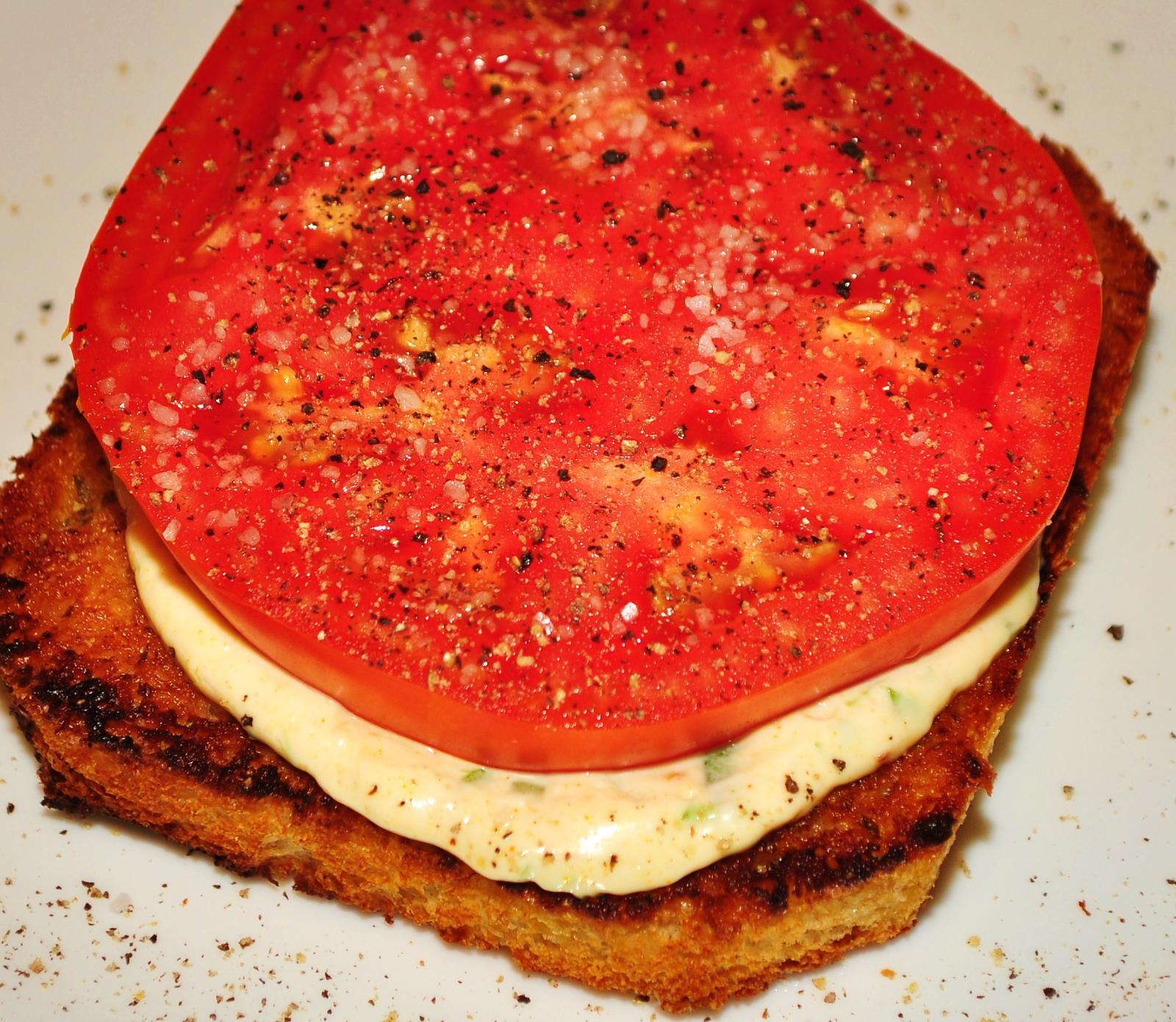
Local favorites give the scene its shape
The easiest mistake is to think Omaha’s sandwich scene is only about nostalgia. It is not. Nostalgia is part of the appeal, but the better way to describe the scene is as a set of working habits. Omaha likes sandwiches that travel well across contexts: a quick lunch, a game-day stop, a sit-down meal, a festival plate, or a late afternoon bite that fills the gap between plans.
The Reuben remains the clearest example because it ties together history, identity, and tourism. Visit Omaha’s specialty food guide and Reuben page both frame it as a signature local dish, and that framing matters. A sandwich becomes part of a food scene when people keep using it as a shorthand for the place itself. Omaha has that shorthand. Few cities can claim a sandwich that is both rooted in a specific building and still flexible enough to appear in pub menus, festival specials, and tourist recommendations.
Other favorites help broaden the picture. Club sandwiches, patty melts, hot roast beef sandwiches, and lighter produce-forward builds all show up in a city that values lunches with structure. Some of those choices are old-fashioned in the best sense: they exist because they solve a real problem, which is feeding people well without turning the meal into a production. Others are modern because they lean into better bread, sharper pickles, local greens, or more careful sourcing. Together, they make the scene feel practical instead of precious.
That practical streak is one reason sandwiches keep a stable place in Omaha’s food culture. They are easy to understand, but not easy to reduce to a formula. Bread, filling, temperature, texture, and balance still matter, which gives local cooks room to show judgment. A good sandwich says more about a kitchen than a long paragraph ever could. Unfortunately for the long paragraph, sandwiches also photograph better.
Events turn sandwiches into shared culture
If sandwiches were only about takeout and lunch counters, they would still matter. What makes Omaha interesting is that sandwiches also become event food. The best example is the Great Reuben Debate, which invites people to visit participating locations, vote on their favorite version, and treat a single sandwich style as a civic event. Omaha Magazine has covered the competition as a recurring battle for Reuben bragging rights, and that attention tells you something important: the sandwich is not just served here, it is discussed here.
Another useful marker is the way annual food events keep the Reuben in circulation. Visit Omaha’s restaurant guide encourages visitors to plan their own Reuben crawl, while the Omaha Restaurant Week page shows how citywide dining events pull attention toward local restaurants in a concentrated burst. Restaurant Week is not sandwich-specific, but it reinforces the same point: when Omaha celebrates food, sandwiches are rarely far from the table.
There are also neighborhood-scale reminders that sandwiches remain social. Blackstone District event pages and local coverage of Reuben festivals show how a single dish can support voting, tasting, repeat visits, and neighborhood identity at the same time. That matters because food culture is not only about what people eat. It is about what they return to together, what they compare, and what they think is worth taking sides on. Sandwiches are excellent at creating exactly that kind of harmless conflict.
In practical terms, these events do three things for the city. They give local restaurants visibility. They encourage visitors to move through different neighborhoods. And they keep Omaha’s sandwich identity from being treated as a museum piece. A sandwich that can still host a contest is a sandwich that is doing current work.
The event side of the story also helps explain why sandwiches matter to the city’s economy, even if only in small, ordinary ways. A competition drives traffic to restaurants. A guide page pushes visitors into a part of town they may not have planned to visit. A festival menu turns a familiar sandwich into something people will pay attention to again. Those are not flashy effects, but they are real. Food scenes are often built out of exactly this kind of repeated, low-drama visibility.
What sandwiches contribute to Omaha’s overall food culture
Sandwiches matter in Omaha because they sit at the intersection of memory and routine. The city can point to its Reuben history with pride, but it can also point to the quieter places where lunch is served every day without ceremony. That combination gives the food scene depth. The famous sandwich draws attention; the everyday sandwich gives the city its rhythm.
That rhythm is visible in the way local dining guides, food writers, and neighborhood event calendars keep returning to the category. A city with a weak sandwich culture usually has to overstate itself. Omaha does not. It can point to the original Reuben, to neighborhood pubs, to lunch counters, to food trucks, and to annual debates without needing to inflate the claim. The evidence is on the plate.
There is also a social reason sandwiches hold their ground. A sandwich is one of the few meals that works for nearly everyone without asking the table to agree on much else. It can be expensive or modest, nostalgic or experimental, vegetarian or heavy with meat, fast or slow, polished or casual. That range helps explain why the category survives shifts in taste better than many trendier dishes. A sandwich can change its outfit and still be recognizable. Not every dish has that talent.
For visitors, the useful takeaway is simple. If you want to understand Omaha’s food scene, do not start by asking only where the most elaborate dinner is. Start by asking where the sandwiches are, who is making them, and what local story they tell. That path leads to the city faster than a lot of travel copy ever will.
Conclusion
Sandwiches are a staple in Omaha because they are flexible enough to fit the city’s daily life and specific enough to carry its history. The Reuben gives Omaha a signature, but the rest of the sandwich scene gives that signature context: neighborhood lunch spots, recurring food events, and the simple habit of making a handheld meal worth remembering.
If you want to keep exploring, start with the home page for the main site, browse the blog for more food-focused articles, or visit the About page to see how O’Connor’s fits into the neighborhood story.
There is nothing mystical here. Omaha’s sandwich culture survives because it does useful work, and because the city has enough appetite to keep asking for one more version.